Buy goedkoopverhuizen.eu ?
We are moving the project
goedkoopverhuizen.eu .
Are you interested in purchasing the domain
goedkoopverhuizen.eu ?
domain@kv-gmbh.de · 0541-91531010
Buy goedkoopverhuizen.eu ?
What are ion substances and molecule substances?
Ion substances are compounds made up of positively and negatively charged ions, such as sodium chloride (NaCl) or calcium carbonate (CaCO3). These substances are held together by electrostatic forces between the ions. Molecule substances, on the other hand, are made up of covalently bonded atoms, such as water (H2O) or carbon dioxide (CO2). These substances are held together by sharing electrons between the atoms. In summary, ion substances are composed of charged ions held together by electrostatic forces, while molecule substances are composed of covalently bonded atoms held together by shared electrons. **
How does the transport of substances occur through the biomembrane?
The transport of substances through the biomembrane occurs through a variety of mechanisms. One common method is passive diffusion, where molecules move from an area of high concentration to an area of low concentration. Another method is facilitated diffusion, where specific proteins in the membrane help molecules move across. Active transport involves the use of energy to move molecules against their concentration gradient, often using ATP as a source of energy. Additionally, endocytosis and exocytosis involve the engulfing and releasing of large molecules or particles by the membrane. These various mechanisms allow for the selective transport of substances in and out of the cell. **
Similar search terms for Substances
Top-Angebote
Products related to Substances:
-
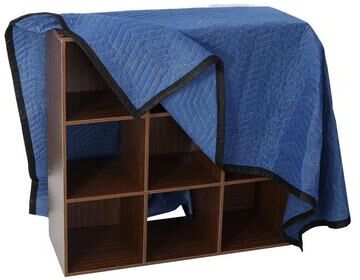
All Categories Goods Dark Blue Moving Blankets Heavy Duty Furniture Protection Pads For Shipping & Packing Dark Blue Moving Blankets Heavy Duty Furniture Protection Pads For Shipping & PackingEnsure your furniture is safe and secure during transport with these heavyduty moving blankets. Each of the 24 dark blue protective pads is designed to protect your items from scratches, dents, and dirt, making them the perfect choice for movers and...299,97 $*Shipping: 0,00 $Secure redirect to the provider
-
Discount Dollar Deals Large Capacity Storage Bag, Moisture Proof Storage Box, Durable Dust Proof Moving Packing Clothes Organizer Large Capacity Storage Bag, Moisture Proof Storage Box, Durable Dust Proof Moving Packing Clothes OrganizerOrganizing your home, moving, or packing clothes doesnt have to be stressful when you have the Large Capacity Storage Bag by your side. Designed to provide the ultimate solution for keeping your items safe and secure, this moistureproof storage box...69,97 $*Shipping: 0,00 $Secure redirect to the provider
-
Drop Dash Deals Heavy Duty Moving Blankets Furniture Moving Pads For Shipping Storage Protection Heavy Duty Moving Blankets Furniture Moving Pads For Shipping Storage ProtectionTransform stressful moves into smooth, damagefree experiences with these 12pcs moving blankets designed for real protection. Whether you're relocating your home, shipping valuables, or storing furniture, these durable pads keep your items safe from...189,97 $*Shipping: 0,00 $Secure redirect to the provider
-
Global Bags Range Thickened Large Capacity Storage Bag, Oxford Cloth Organizer, Moving Packing Bag, Clothes And Blankets Storage, Checked blue xlUpgrade your home and travel organization with this Oxford Cloth Storage Bag, expertly designed for maximum durability and versatility. Crafted from highquality thickened Oxford fabric, this storage solution is perfect for clothes, blankets,...31,97 $*Shipping: 0,00 $Secure redirect to the provider


-
How does the specific transport of substances occur through biomembranes?
The specific transport of substances through biomembranes occurs through various mechanisms such as passive diffusion, facilitated diffusion, and active transport. Passive diffusion involves the movement of substances from an area of high concentration to an area of low concentration, while facilitated diffusion involves the use of transport proteins to help substances move across the membrane. Active transport, on the other hand, requires the use of energy to move substances against their concentration gradient. Additionally, endocytosis and exocytosis are processes that involve the engulfing and release of substances through the membrane via vesicles. These mechanisms allow for the selective transport of specific substances in and out of the cell, maintaining the internal environment and allowing for essential cellular processes to occur. **
-
How does the transport of substances through the biomembrane work?
The transport of substances through the biomembrane occurs through a variety of mechanisms. Small, non-polar molecules can passively diffuse through the lipid bilayer, while larger or polar molecules require the assistance of transport proteins. These transport proteins can facilitate the movement of substances across the membrane through processes such as facilitated diffusion, active transport, or endocytosis/exocytosis. Facilitated diffusion involves the movement of molecules down their concentration gradient with the help of specific carrier proteins, while active transport requires the input of energy to move molecules against their concentration gradient. Endocytosis and exocytosis involve the engulfing or release of substances by the membrane through vesicle formation. Overall, the transport of substances through the biomembrane is a highly regulated process that maintains the internal environment of the cell. **
-
To which substances do the elemental substances belong?
Elemental substances belong to the group of pure substances, which are made up of only one type of atom. These elemental substances are the building blocks of all matter and cannot be broken down into simpler substances by chemical means. Examples of elemental substances include hydrogen, oxygen, carbon, and gold. **
-
To which substances do the elementary substances belong?
Elementary substances belong to the category of pure chemical elements. These are the basic building blocks of matter and cannot be broken down into simpler substances by ordinary chemical reactions. Examples of elementary substances include hydrogen, oxygen, carbon, and iron. Each element is defined by its unique atomic structure and properties. **


Why do polar substances dissolve in polar substances?
Polar substances dissolve in polar substances because they have similar intermolecular forces. Polar substances, such as water, have a partial positive and partial negative charge, which allows them to form hydrogen bonds with other polar molecules. When a polar substance is added to a polar solvent, the partial charges on the solvent molecules attract and surround the solute molecules, causing them to separate and disperse evenly throughout the solvent. This allows the polar solute to dissolve in the polar solvent, forming a homogeneous mixture. **
Why do substances dissolve in other substances or not?
Substances dissolve in other substances when the intermolecular forces between the solute and solvent are strong enough to overcome the forces holding the solute together. This allows the solute particles to become surrounded by solvent particles and spread out evenly throughout the solvent. On the other hand, substances may not dissolve in a particular solvent if the intermolecular forces between the solute and solvent are not strong enough to overcome the forces holding the solute together, or if the solute and solvent have incompatible polarities. **
Top-Angebote
Products related to Substances:
-
Drop Dash Deals Heavy Duty Moving Blankets Set Quilted Furniture Pads Packing Shipping Protection Heavy Duty Moving Blankets Set Quilted Furniture Pads Packing Shipping ProtectionProtect what matters most with dependable cushioning designed for stressfree moves. This 24 pcs set of premium moving blankets is built for homeowners, renters, and professional movers who want reliable protection without overspending. Thick quilted...299,97 $*Shipping: 0,00 $Secure redirect to the provider
-
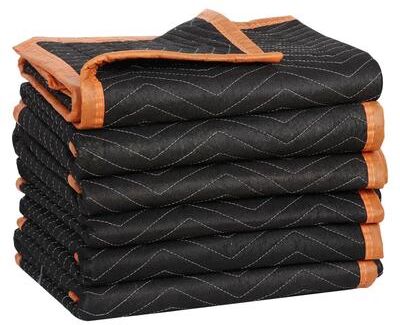
Drop Dash Deals Heavy Duty Moving Blankets Quilted Furniture Protection Pads For Packing And Shipping Heavy Duty Moving Blankets Quilted Furniture Protection Pads For Packing And ShippingWrap your valuables in confidence with these 6pcs premium moving blankets designed to protect what matters most. Whether you're relocating, storing, or shipping, these durable furniture moving blankets provide reliable cushioning against scratches,...79,97 $*Shipping: 0,00 $Secure redirect to the provider
-
All Categories Goods Dark Blue Moving Blankets Heavy Duty Furniture Protection Pads For Shipping & Packing Dark Blue Moving Blankets Heavy Duty Furniture Protection Pads For Shipping & PackingEnsure your furniture is safe and secure during transport with these heavyduty moving blankets. Each of the 24 dark blue protective pads is designed to protect your items from scratches, dents, and dirt, making them the perfect choice for movers and...299,97 $*Shipping: 0,00 $Secure redirect to the provider
-
Discount Dollar Deals Large Capacity Storage Bag, Moisture Proof Storage Box, Durable Dust Proof Moving Packing Clothes Organizer Large Capacity Storage Bag, Moisture Proof Storage Box, Durable Dust Proof Moving Packing Clothes OrganizerOrganizing your home, moving, or packing clothes doesnt have to be stressful when you have the Large Capacity Storage Bag by your side. Designed to provide the ultimate solution for keeping your items safe and secure, this moistureproof storage box...69,97 $*Shipping: 0,00 $Secure redirect to the provider
-
What are ion substances and molecule substances?
Ion substances are compounds made up of positively and negatively charged ions, such as sodium chloride (NaCl) or calcium carbonate (CaCO3). These substances are held together by electrostatic forces between the ions. Molecule substances, on the other hand, are made up of covalently bonded atoms, such as water (H2O) or carbon dioxide (CO2). These substances are held together by sharing electrons between the atoms. In summary, ion substances are composed of charged ions held together by electrostatic forces, while molecule substances are composed of covalently bonded atoms held together by shared electrons. **
-
How does the transport of substances occur through the biomembrane?
The transport of substances through the biomembrane occurs through a variety of mechanisms. One common method is passive diffusion, where molecules move from an area of high concentration to an area of low concentration. Another method is facilitated diffusion, where specific proteins in the membrane help molecules move across. Active transport involves the use of energy to move molecules against their concentration gradient, often using ATP as a source of energy. Additionally, endocytosis and exocytosis involve the engulfing and releasing of large molecules or particles by the membrane. These various mechanisms allow for the selective transport of substances in and out of the cell. **
-
How does the specific transport of substances occur through biomembranes?
The specific transport of substances through biomembranes occurs through various mechanisms such as passive diffusion, facilitated diffusion, and active transport. Passive diffusion involves the movement of substances from an area of high concentration to an area of low concentration, while facilitated diffusion involves the use of transport proteins to help substances move across the membrane. Active transport, on the other hand, requires the use of energy to move substances against their concentration gradient. Additionally, endocytosis and exocytosis are processes that involve the engulfing and release of substances through the membrane via vesicles. These mechanisms allow for the selective transport of specific substances in and out of the cell, maintaining the internal environment and allowing for essential cellular processes to occur. **
-
How does the transport of substances through the biomembrane work?
The transport of substances through the biomembrane occurs through a variety of mechanisms. Small, non-polar molecules can passively diffuse through the lipid bilayer, while larger or polar molecules require the assistance of transport proteins. These transport proteins can facilitate the movement of substances across the membrane through processes such as facilitated diffusion, active transport, or endocytosis/exocytosis. Facilitated diffusion involves the movement of molecules down their concentration gradient with the help of specific carrier proteins, while active transport requires the input of energy to move molecules against their concentration gradient. Endocytosis and exocytosis involve the engulfing or release of substances by the membrane through vesicle formation. Overall, the transport of substances through the biomembrane is a highly regulated process that maintains the internal environment of the cell. **
Similar search terms for Substances
-
Drop Dash Deals Heavy Duty Moving Blankets Furniture Moving Pads For Shipping Storage Protection Heavy Duty Moving Blankets Furniture Moving Pads For Shipping Storage ProtectionTransform stressful moves into smooth, damagefree experiences with these 12pcs moving blankets designed for real protection. Whether you're relocating your home, shipping valuables, or storing furniture, these durable pads keep your items safe from...189,97 $*Shipping: 0,00 $Secure redirect to the provider
-
Global Bags Range Thickened Large Capacity Storage Bag, Oxford Cloth Organizer, Moving Packing Bag, Clothes And Blankets Storage, Checked blue xlUpgrade your home and travel organization with this Oxford Cloth Storage Bag, expertly designed for maximum durability and versatility. Crafted from highquality thickened Oxford fabric, this storage solution is perfect for clothes, blankets,...31,97 $*Shipping: 0,00 $Secure redirect to the provider
-
Global Bags Range Thickened Large Capacity Storage Bag, Oxford Cloth Organizer, Moving Packing Bag, Clothes And Blankets Storage, Checked black xlUpgrade your home and travel organization with this Oxford Cloth Storage Bag, expertly designed for maximum durability and versatility. Crafted from highquality thickened Oxford fabric, this storage solution is perfect for clothes, blankets,...31,97 $*Shipping: 0,00 $Secure redirect to the provider
-
Global Bags Range Thickened Large Capacity Storage Bag, Oxford Cloth Organizer, Moving Packing Bag, Clothes And Blankets Storage, Checked black lUpgrade your home and travel organization with this Oxford Cloth Storage Bag, expertly designed for maximum durability and versatility. Crafted from highquality thickened Oxford fabric, this storage solution is perfect for clothes, blankets,...29,97 $*Shipping: 0,00 $Secure redirect to the provider
-
To which substances do the elemental substances belong?
Elemental substances belong to the group of pure substances, which are made up of only one type of atom. These elemental substances are the building blocks of all matter and cannot be broken down into simpler substances by chemical means. Examples of elemental substances include hydrogen, oxygen, carbon, and gold. **
-
To which substances do the elementary substances belong?
Elementary substances belong to the category of pure chemical elements. These are the basic building blocks of matter and cannot be broken down into simpler substances by ordinary chemical reactions. Examples of elementary substances include hydrogen, oxygen, carbon, and iron. Each element is defined by its unique atomic structure and properties. **
-
Why do polar substances dissolve in polar substances?
Polar substances dissolve in polar substances because they have similar intermolecular forces. Polar substances, such as water, have a partial positive and partial negative charge, which allows them to form hydrogen bonds with other polar molecules. When a polar substance is added to a polar solvent, the partial charges on the solvent molecules attract and surround the solute molecules, causing them to separate and disperse evenly throughout the solvent. This allows the polar solute to dissolve in the polar solvent, forming a homogeneous mixture. **
-
Why do substances dissolve in other substances or not?
Substances dissolve in other substances when the intermolecular forces between the solute and solvent are strong enough to overcome the forces holding the solute together. This allows the solute particles to become surrounded by solvent particles and spread out evenly throughout the solvent. On the other hand, substances may not dissolve in a particular solvent if the intermolecular forces between the solute and solvent are not strong enough to overcome the forces holding the solute together, or if the solute and solvent have incompatible polarities. **
* All prices are inclusive of VAT and, if applicable, plus shipping costs. The offer information is based on the details provided by the respective shop and is updated through automated processes. Real-time updates do not occur, so deviations can occur in individual cases. ** Note: Parts of this content were created by AI.